Machine Component Design and Manufacturing
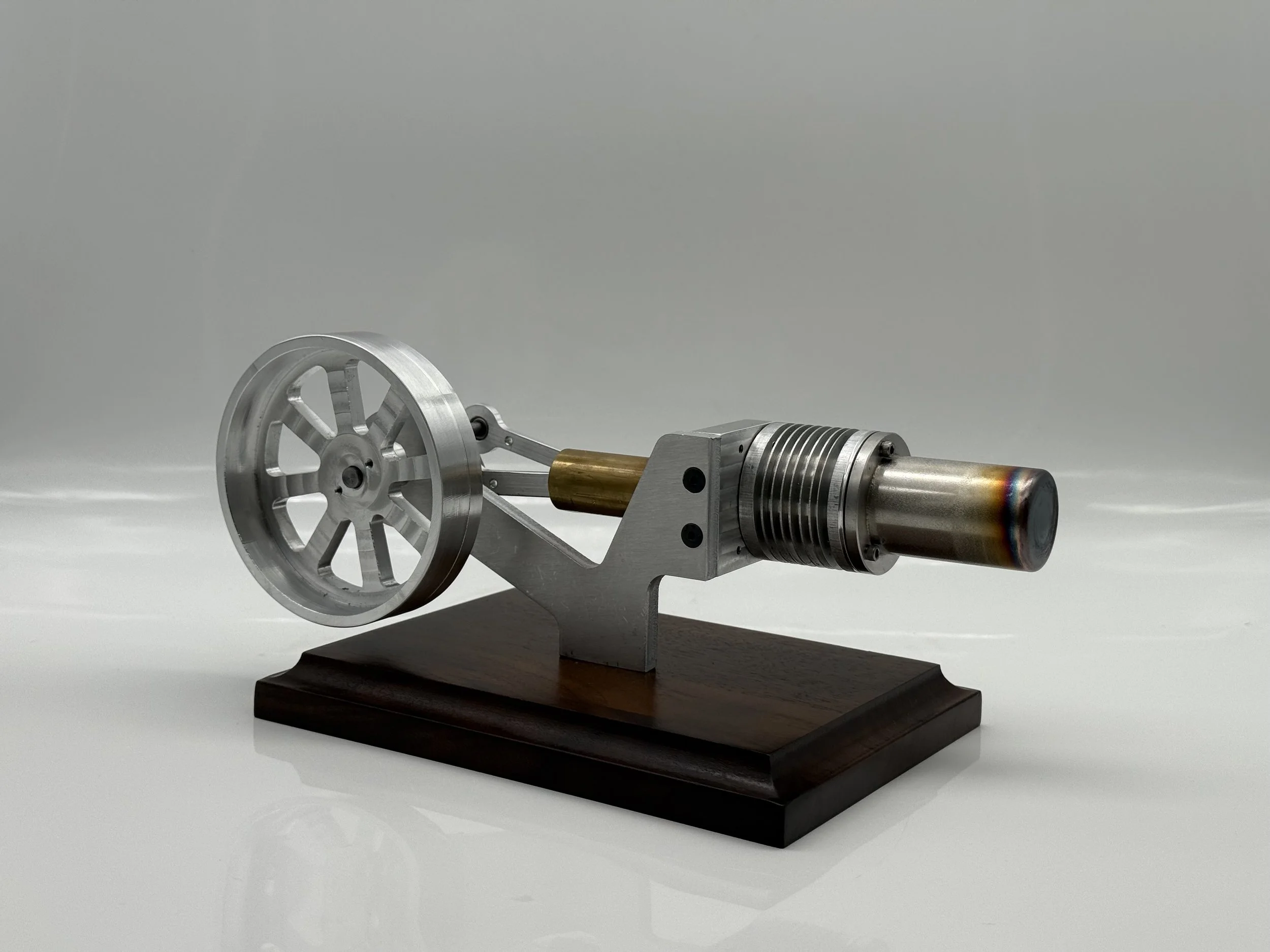
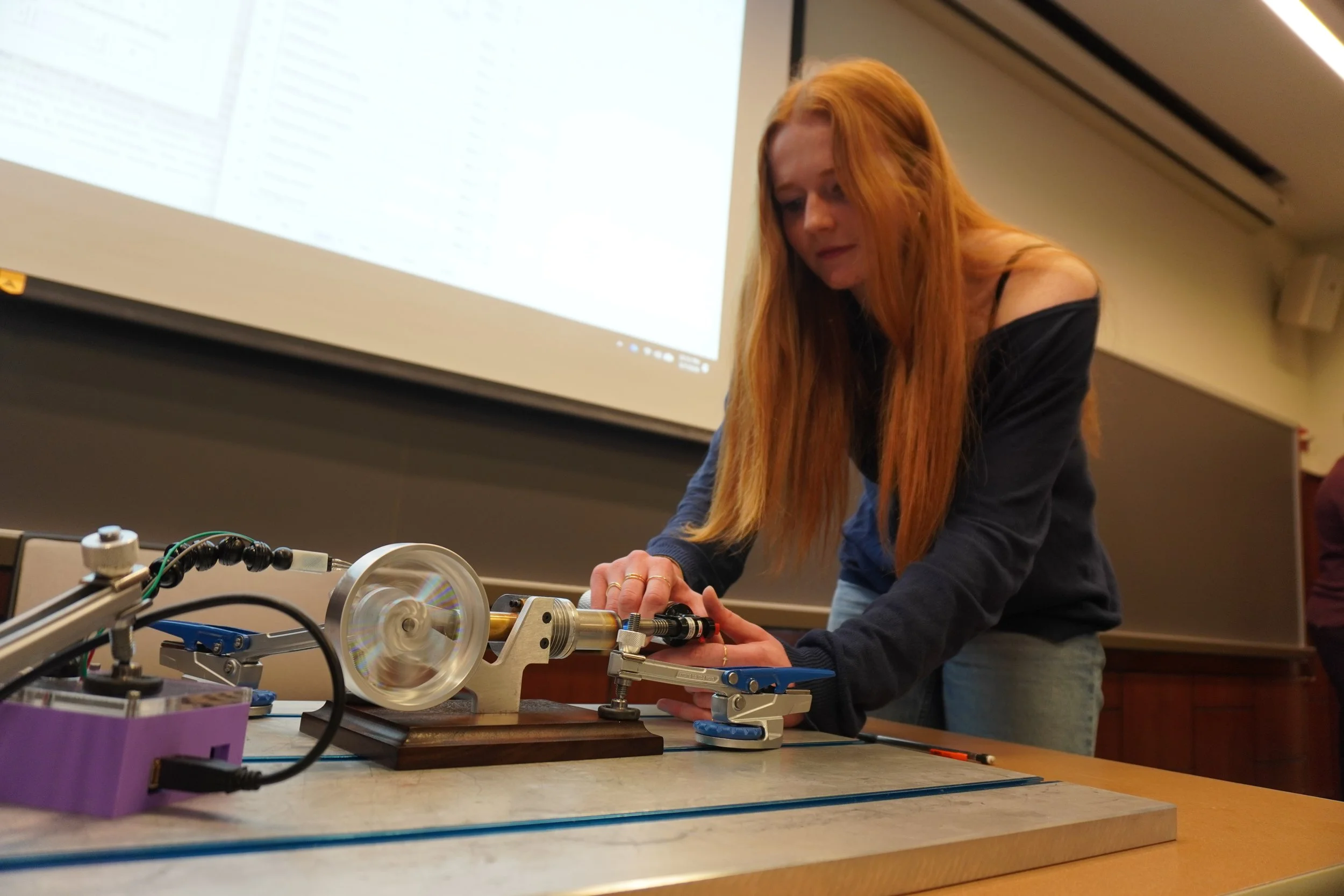
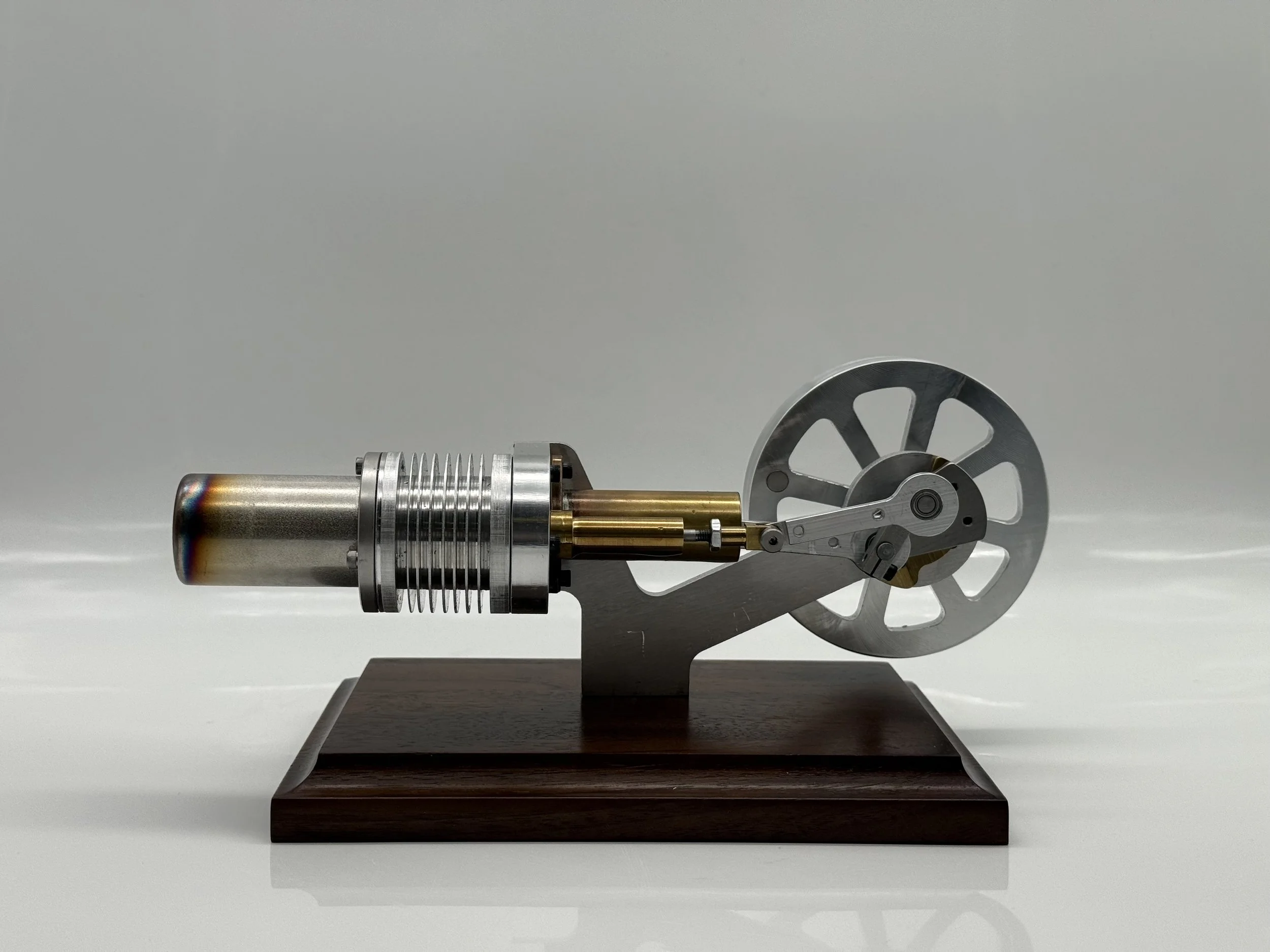
This hands-on, project-based course provides students with the knowledge and skills necessary to design, analyze, manufacture, and test fully functional mechanical systems. Throughout the semester, we designed, manufactured, and assembled a functional heat engine while covering key areas of machine element design, the mechanics of machining, manufacturing technology, precision fabrication (milling, turning, and computer-controlled machining), metrology, tolerances, cutting-tool fundamentals, and engineering materials.
Tabletop Heat Engine – Design & Manufacturing Project
Project Summary
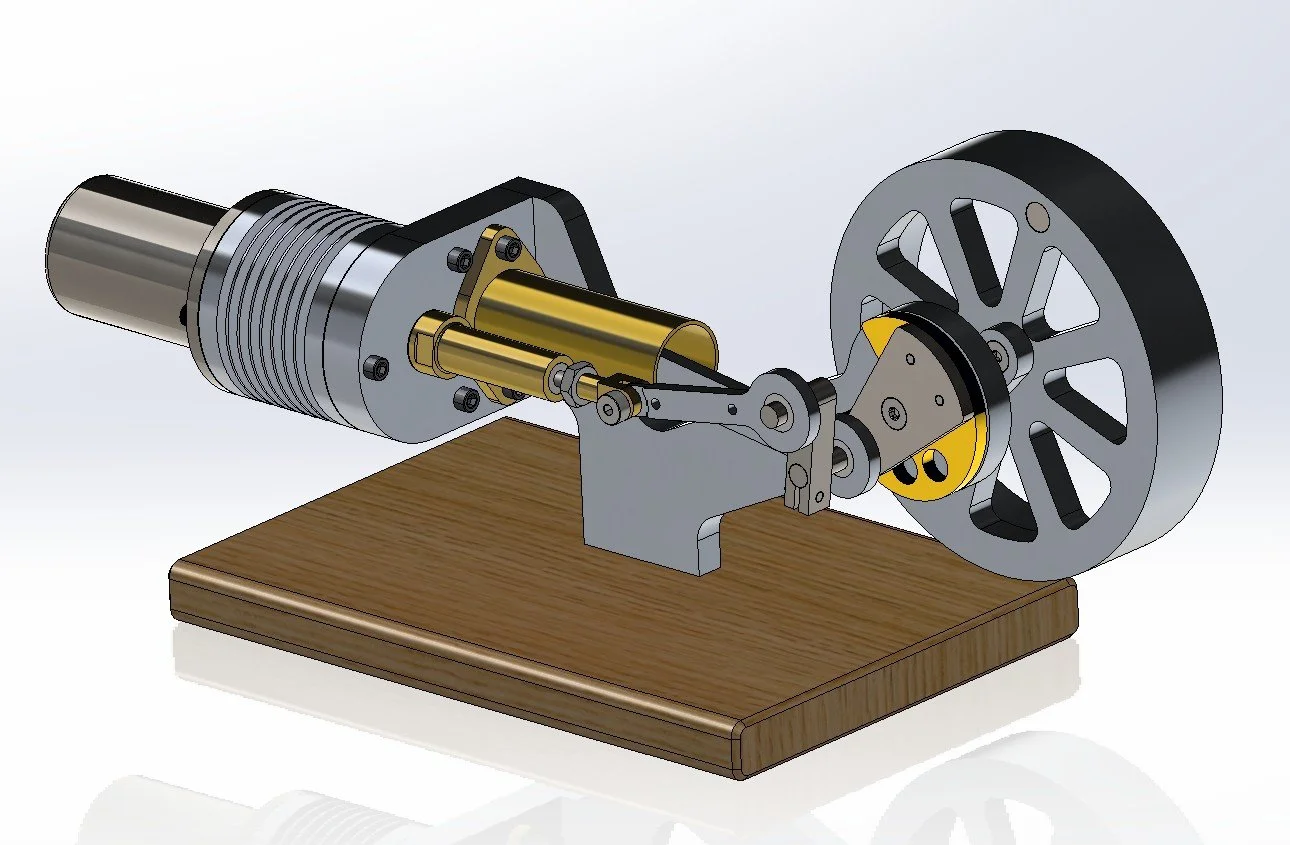
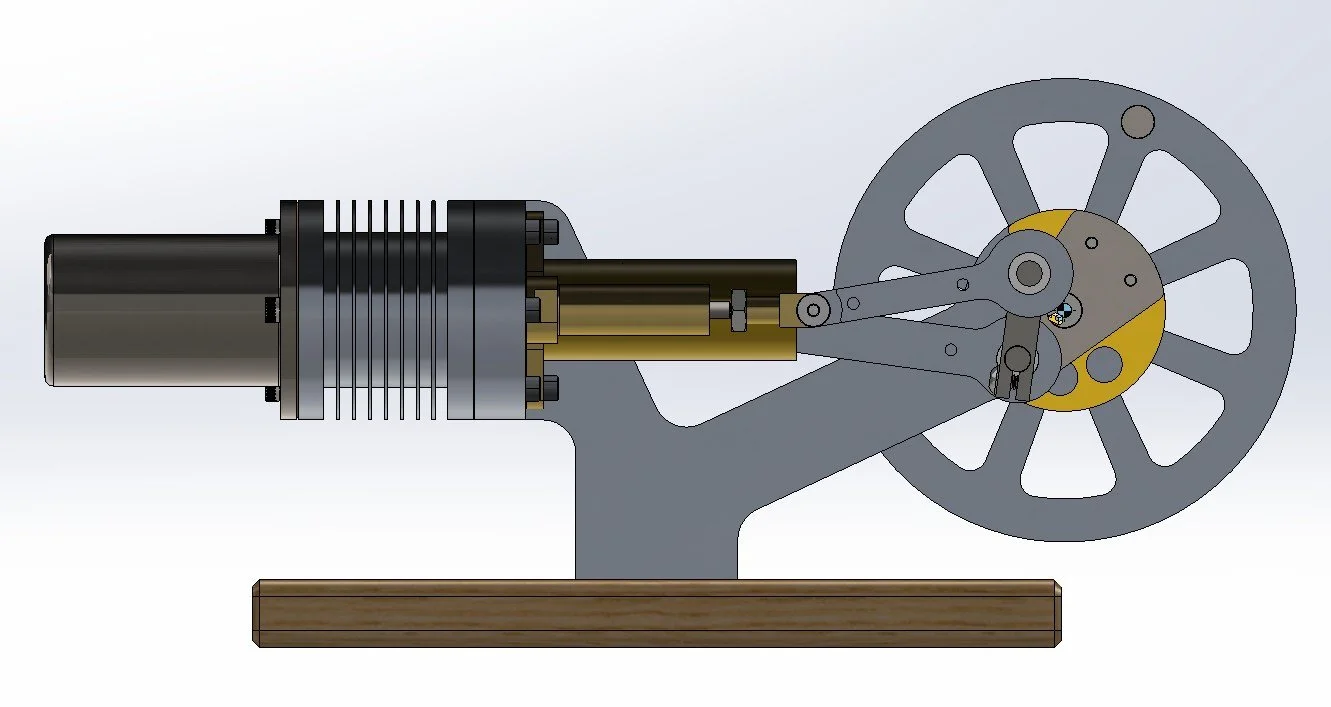
Designing, manufacturing, and assembling a fully functional tabletop heat engine as part of an advanced manufacturing course. The project emphasizes precision machining, manufacturability, and disciplined application of engineering drawings and tolerances. Over 15 unique components are being designed and fabricated toward a fully operational mechanical system.
CAD Design & Engineering Documentation
Developing detailed part-level and assembly-level CAD models in SolidWorks.
Maintaining associativity between parts, assemblies, and drawings to support accurate machining, iterative refinement, and efficient system integration.
Creating high quality design renderings with SolidWorks Visualize.
Producing engineering drawings with defined dimensions, tolerances, materials, and finishes following GD&T conventions.
Manufacturing & Precision Machining
Machining critical load-bearing and motion-critical components including the piston, piston flange, mounting block, and structural elements.
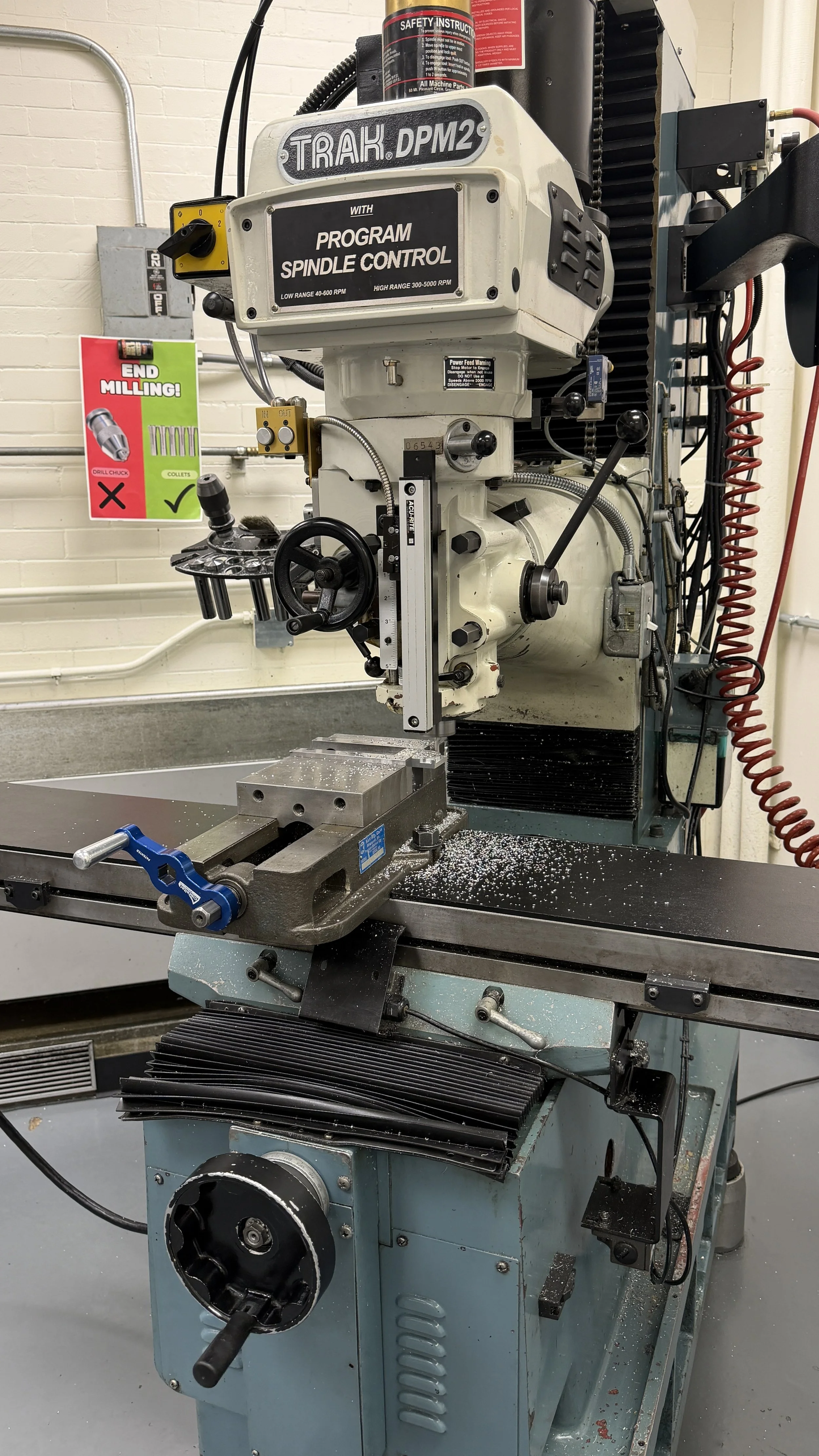
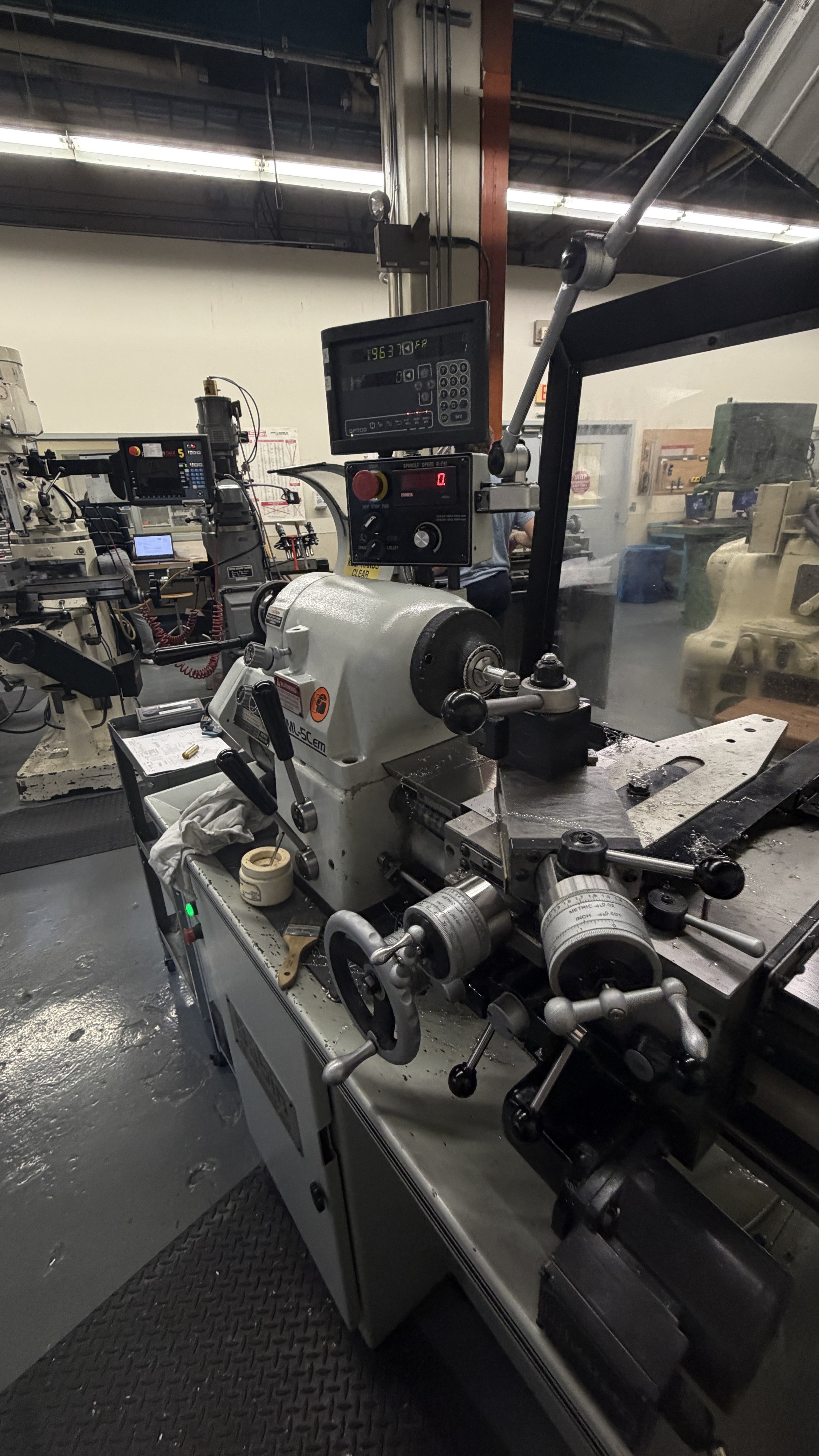
Utilizing manual and CNC lathes and milling machines, as well as bandsaws.
Achieving tight dimensional tolerances and high-quality surface finishes through careful setup and process control.
Manufacturing Planning & Materials
Interpreting and executing detailed drawings to ensure part compatibility and repeatability.
Integrating standard off-the-shelf components sourced from industrial suppliers, balancing performance, availability, and cost.
Selecting and working with a range of materials including aluminum, brass, and stainless steel.
Assembly, Integration & Analysis
Assembling the system with close attention to alignment, clearances, and functional motion.
Performing tolerance stack-up analyses to validate assembly feasibility and mechanical integrity.
Using motion studies and assembly planning to anticipate and resolve fit and interference issues.
Testing & Validation
Conducting initial operational testing to verify mechanical performance and component compatibility.
Evaluating thermal effects on non-metallic components to confirm material suitability under operating conditions.
Skills & Tools
Machining & Manufacturing: Manual and CNC machining, GD&T, tolerance analysis, metrology
CAD & Software: SolidWorks (part modeling, assemblies, engineering drawings), SolidWorks Visualize (High Resolution Industrial Design Renderings)
Programming & Toolpaths: CNC toolpaths using MasterCam and PT4SX for complex features
Materials: Aluminum, brass, wood, and stainless steel.